Shop Exclusive Shoes, Now at 15-20% Off. Offer Applicable on Select Products
What are the Differences Between Casual, Smart Casual, and Formal Shoes
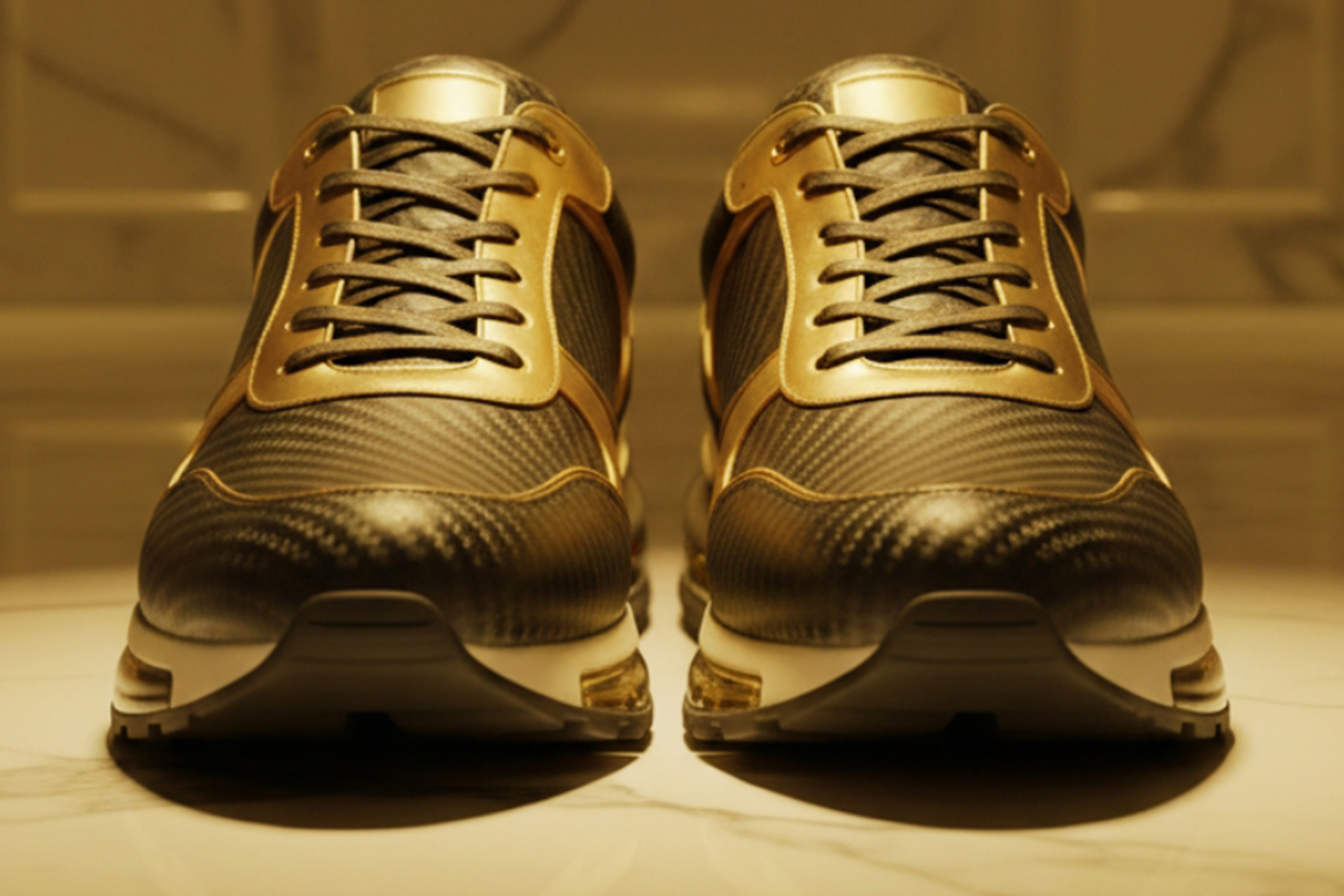
Shoes play a significant role in shaping how an outfit is perceived. Even the cautiously chosen clothing can look incomplete if paired with the wrong footwear. This is why understanding the difference between casual, smart casual, and formal shoes is essential for building a versatile wardrobe.
Each category serves a different purpose and suits different occasions. Casual shoes are designed for comfort and everyday wear, smart casual footwear offers a polished yet relaxed appearance, and formal shoes bring structure and sophistication to professional or ceremonial settings.
Knowing how these categories differ can help you choose the right footwear for every situation while keeping your overall style balanced and appropriate.
Why Shoe Categories Matter
Footwear is often one of the first things people notice about an outfit. The type of shoes you wear can immediately change how polished or relaxed your appearance looks.
For example, pairing sneakers with a tailored suit can create a modern and casual look, while wearing formal dress shoes with athletic clothing may feel mismatched. Understanding shoe categories helps you avoid these style inconsistencies.
More importantly, selecting the right category ensures that your shoes support the setting you are attending. Whether it is a casual weekend outing, a professional meeting, or a formal event, the right footwear helps create a cohesive look.
Casual Shoes: Comfort and Everyday Style
Casual shoes are the relaxed category of footwear. They are designed for comfort, practicality, and informal settings. These shoes typically feature softer materials, flexible soles, and relaxed designs that prioritize everyday wear.
Sneakers are among the popular casual options. They pair easily with jeans, shorts, and casual dresses, making them a dependable choice for daily activities. Canvas shoes and slip-ons also fall into this category because they are lightweight and easy to wear.
Casual loafers and simple sandals can also be considered casual footwear depending on their design. These shoes often feature breathable materials and minimal structure, allowing them to feel comfortable during long hours of use.
Casual footwear works well in settings such as weekend gatherings, travel days, shopping trips, and relaxed social events. Their main purpose is to support comfort while maintaining a laid-back sense of style.
Design Features of Casual Shoes
Casual shoes are usually easy to recognize because of their relaxed design elements. They often include flexible soles that support movement and comfort throughout the day.
The materials used in casual footwear may include canvas, lightweight leather, fabric, or synthetic blends. These materials provide breathability and durability without making the shoes feel overly structured.
Casual shoes also tend to come in a wide variety of colors and patterns. Bright tones, playful prints, and creative textures are more common in casual designs than in other categories.
Because casual footwear focuses on comfort and versatility, it has become a staple in modern wardrobes.
Smart Casual Shoes: The Balance Between Relaxed and Polished
Smart casual footwear sits between casual and formal styles. These shoes offer a more refined appearance than everyday sneakers while still maintaining a relaxed feel.
Smart casual shoes are often worn in workplaces with flexible dress codes, dinner gatherings, or social events where a slightly polished appearance is appreciated but full formal attire is unnecessary.
Examples of smart casual footwear include loafers, minimalist leather sneakers, desert boots, and clean ankle boots. These styles provide structure and sophistication without feeling overly formal.
The key feature of smart casual shoes is balance. They combine elements of comfort with design details that make them appropriate for semi-professional or social environments.
Design Features of Smart Casual Shoes
Smart casual shoes usually feature more structured silhouettes compared with casual footwear. The materials used are often higher in quality, with leather or suede being common choices.
Colors in this category tend to remain more neutral. Shades such as brown, black, navy, grey, and tan dominate smart casual footwear because they pair easily with a variety of outfits.
The overall appearance of smart casual shoes is neat and understated. They avoid overly bold patterns while still offering visual interest through clean lines and refined textures.
Because of their versatility, smart casual shoes are often considered one of the practical additions to a wardrobe.
Formal Shoes: Elegance and Structure
Formal shoes represent the polished category of footwear. They are designed to complement structured clothing such as suits, formal dresses, and professional attire.
These shoes are commonly worn at business meetings, ceremonies, formal gatherings, and special occasions where a refined appearance is expected.
Classic formal styles include dress shoes, polished leather pumps, and elegant heeled footwear. These designs often feature smooth finishes, minimal decoration, and precise craftsmanship.
Formal shoes are typically made from high-quality materials that maintain their shape and structure. Their design focuses on creating a clean, sophisticated look that pairs seamlessly with tailored clothing.
Design Features of Formal Shoes
Formal shoes are easily recognized by their sleek and structured appearance. They often have thinner soles and a more defined shape compared with casual footwear.
Leather is the common material used in formal shoes because it provides a polished finish and long-lasting durability. Patent leather may also appear in formal designs for occasions that require extra elegance.
Colors are usually limited to classic shades such as black, dark brown, or deep burgundy. These colors complement formal outfits while maintaining a professional tone.
Formal shoes rarely feature bright colors or heavy patterns. Instead, they focus on simplicity, balance, and refined craftsmanship.
How to Choose the Right Shoe for the Occasion
Selecting the appropriate footwear category often depends on the environment and dress expectations of the event you are attending.
Casual shoes work appropriately for relaxed settings where comfort is the priority. Weekend outings, travel days, and casual social events usually call for this category.
Smart casual shoes are suitable for situations where a polished look is appreciated but strict formal attire is unnecessary. These include dinner invitations, creative workplaces, and semi-formal gatherings.
Formal shoes should be reserved for occasions that require a refined and structured appearance. Professional meetings, weddings, and formal ceremonies typically fall into this category.
By understanding these distinctions, it becomes easier to select footwear that aligns with the tone of the event.
Building a Balanced Shoe Collection
A practical wardrobe usually includes footwear from all three categories. This ensures that you are prepared for a variety of occasions without needing an excessive number of shoes.
Start with comfortable casual shoes that support everyday activities. These will likely become the frequently worn pairs in your collection.
Next, add one or two smart casual options that can transition easily between relaxed and slightly polished settings. These shoes often provide the greatest versatility.
Finally, include at least one pair of formal shoes for professional or special occasions. Even if these are worn less frequently, they remain an important part of a well-rounded wardrobe.
This balanced approach keeps your footwear selection practical while maintaining style flexibility.
Common Mistakes When Choosing Shoes
One common mistake people make is wearing overly casual shoes in environments that require a more polished appearance. For example, athletic sneakers may feel out of place during a professional meeting.
Another mistake is choosing formal shoes for everyday situations where comfort is more appropriate. Formal footwear may not provide the flexibility needed for long periods of walking.
Final Thoughts
Understanding the difference between casual, smart casual, and formal shoes allows you to make more thoughtful style decisions. Each category serves a unique purpose and contributes to how an outfit is perceived.
Casual shoes prioritize comfort and relaxed style, smart casual footwear blends refinement with versatility, and formal shoes deliver elegance for professional and special occasions.
By recognizing the characteristics of each category, you can build a shoe collection that supports every part of your lifestyle. With the right footwear choices, every outfit can feel complete, appropriate, and effortlessly stylish.